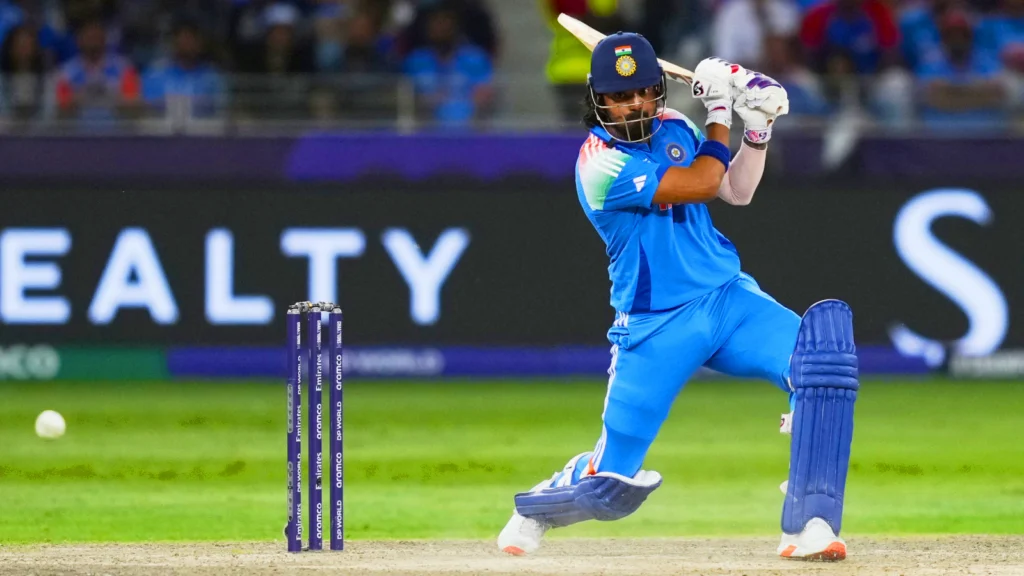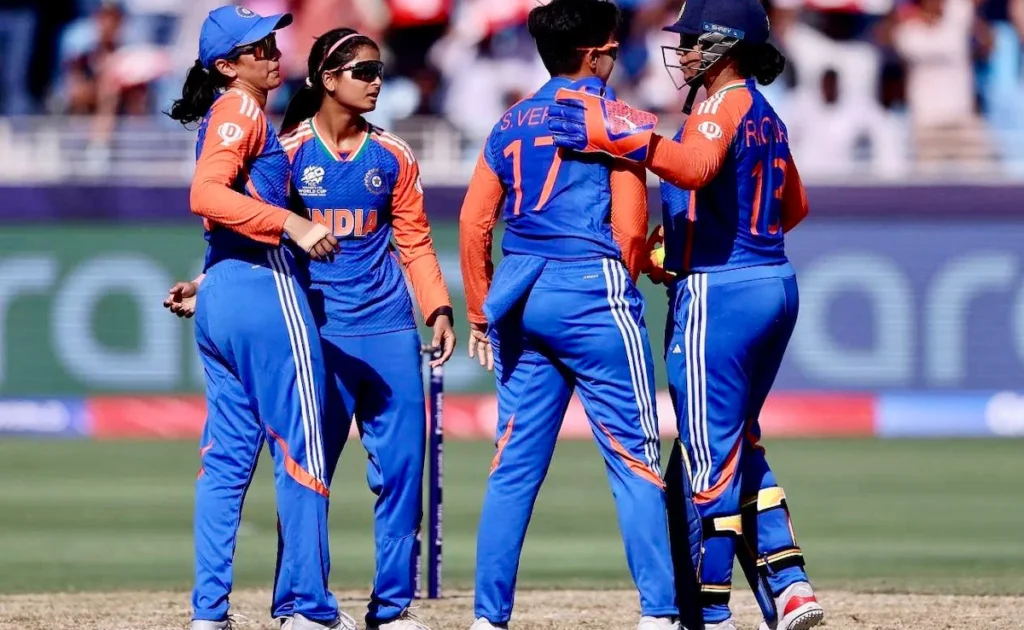
Cricket is more than just a sport; it is a reflection of culture, history, and national pride. Over the decades, certain rivalries have transcended the boundaries of the game, creating intense passion, unforgettable moments, and a level of anticipation that grips fans across the globe. These rivalries are not merely about wins and losses; they represent legacies, national identities, and sometimes even political undercurrents.
India vs Pakistan: The Ultimate Clash
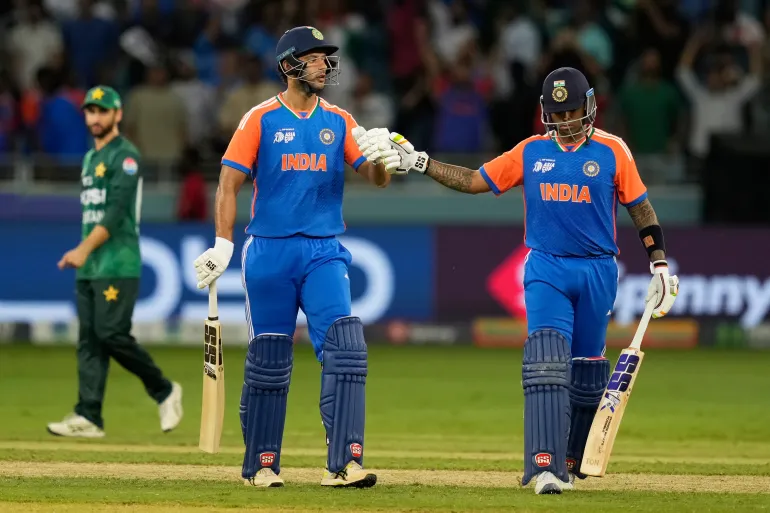
No cricket rivalry evokes more emotion than India versus Pakistan. Rooted in historical and political tensions, every match between these two nations carries a significance far beyond sport. Whether it’s an ICC World Cup, T20 World Cup, or Asia Cup clash, the eyes of millions are glued to screens.
The intensity is palpable: players often describe walking onto the field as a pressure unlike any other, with an entire nation watching, analyzing, and emotionally invested. Fans, too, experience a rollercoaster of emotions, celebrating even the smallest victories and feeling heartbreak with every lost wicket.
Matches between India and Pakistan have produced some of cricket’s most iconic moments. From Javed Miandad’s last-ball six in 1986 to the thrilling T20 encounters of recent years, these games are etched in memory. It’s not just the cricket — it’s the drama, the narrative, and the pride that make this rivalry legendary.
Australia vs England: The Ashes Legacy
The Ashes series between Australia and England is cricket’s oldest and most revered rivalry. Dating back to 1882, the Ashes epitomizes tradition, sportsmanship, and fierce competitiveness. The series is named after a satirical obituary published in a British newspaper, claiming that English cricket had died and “the ashes” would be taken to Australia — a historical quip that became a lasting symbol.
What makes the Ashes unique is its continuity and prestige. Players on both sides feel a deep sense of responsibility, not just to win a match but to uphold a century-old legacy. Iconic encounters, like the 2005 series often hailed as the greatest in history, have showcased epic battles where every run, wicket, and catch mattered.
The Ashes is also a cultural phenomenon. The series sparks media frenzy, fan debates, and national pride, making it one of the most eagerly awaited sporting events every two years. It’s more than cricket; it’s history being played out on a pitch.
West Indies vs Australia: Power Meets Passion
The West Indies versus Australia rivalry, particularly during the late 1970s and 1980s, was a clash of power, skill, and dominance. The West Indies, with their fierce pace attack and flamboyant style, challenged the dominance of Australia and became a force that redefined international cricket.
This rivalry was more than competition; it was symbolic. The West Indies team became a symbol of Caribbean pride, showcasing talent, athleticism, and unity on a global stage. Matches were intense, with bowlers like Malcolm Marshall and Michael Holding taking on legends like Allan Border and Steve Waugh. The contests were characterized by fierce fast bowling, aggressive batting, and a style of play that left audiences exhilarated.
Even today, matches between these two sides carry a sense of nostalgia, reminding fans of the era when cricket was as much about attitude and identity as about runs and wickets.
Rivalries Beyond Borders
Cricket rivalries are not limited to these iconic matchups. India vs England, South Africa vs Australia, and India vs Australia have produced legendary encounters, especially in World Cups. These rivalries often bring out the best in players, forcing them to rise above pressure and expectations.
Rivalries also enhance fan engagement, media coverage, and sponsorship, elevating cricket to more than just a game. They create narratives, legends, and stories that generations remember. For players, performing in a high-stakes rivalry match is a career-defining moment; for fans, it is an emotional journey of pride, joy, and heartbreak.
The Heart of Cricket Rivalries
What makes cricket rivalries special is the combination of competition, culture, and history. They define how nations view themselves in the global sporting arena. While wins and losses matter, the larger significance lies in unity, passion, and identity that these games foster. Cricket rivalries are living legacies — a blend of history, skill, and emotion that continues to define the sport’s global appeal.
In the end, cricket is more than runs and wickets during these matches. It’s a mirror of society, national pride, and human emotion. Rivalries make cricket timeless, unforgettable, and truly universal.