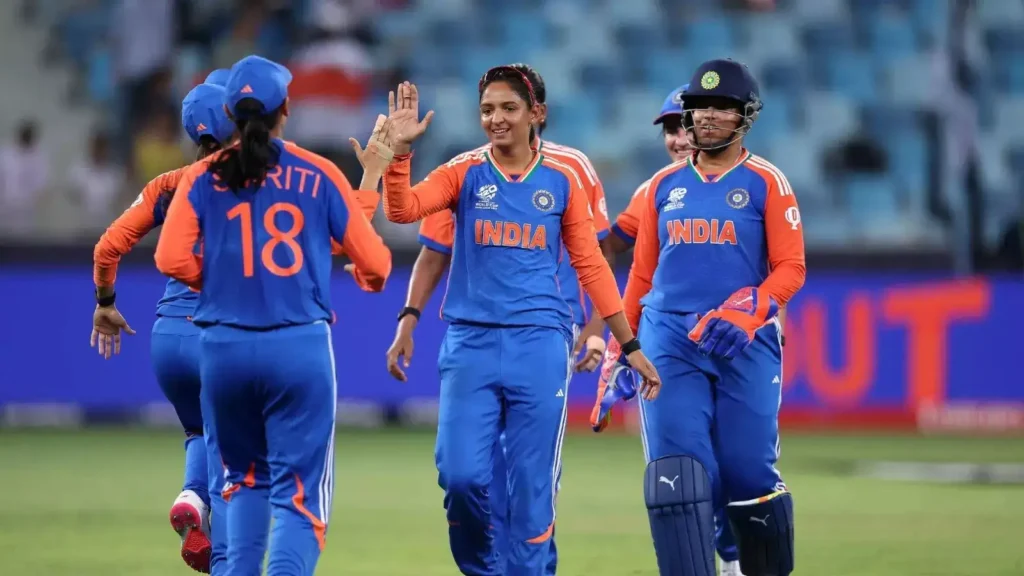
Indian cricket lives and breathes through its fans. From packed stadiums to vibrant social media communities, supporters shape the rhythm of the sport. Their cheers, criticism, and rituals can lift performers, influence strategies, and even alter the atmosphere of international series. Understanding fan engagement is essential to grasp how the game evolves in India.
The Stadium as a Living Organism
On match days, stadiums become pulsating hubs where collective emotion changes momentum. Players instinctively feed off crowd energy; a roaring ovation after a boundary or a tense hush before a crucial delivery can shift focus and confidence. Home advantage is more than familiarity with the pitch; it is a psychological edge created by tens of thousands of voices united behind a single team.
Digital Passion and Player Performance
Digital platforms amplify fan influence beyond stadium boundaries. Social media campaigns, fan forums, and live streams allow supporters to celebrate successes and dissect failures in real time. Players navigate an environment where a match highlight can trend within minutes and a misfield can trigger a flood of critique. This immediacy can motivate athletes to improve or create pressure that affects decision making under stress.
Rituals, Identity, and Mentality
Fan rituals — chants, banners, and color-coded celebrations — reinforce a shared identity that players absorb. Young cricketers raised in India often speak of playing for a massive, emotional family rather than just statistics. That sense of belonging can translate into a resilient mentality, where athletes push through fatigue and setbacks because they feel accountable to a collective dream.
Management, Marketing, and Engagement Strategies
Teams and boards increasingly recognize engagement as strategic. Ticketing innovations, fan zones, interactive broadcasts, and community outreach programs are designed to deepen connections. Smart governance includes listening to supporter feedback when scheduling matches or creating family-friendly experiences. When organizations nurture fans thoughtfully, they cultivate a stable environment in which players can thrive.
Quantifying fan impact remains complex, but correlations emerge. Studies and anecdotal evidence link higher attendance and vocal support with improved home batting averages and tighter bowling spells. The Indian Premier League exemplifies how electrifying crowds and celebrity culture can elevate player performance and commercial value simultaneously. Conversely, intense scrutiny can contribute to form slumps and mental health challenges, prompting teams to invest in sports psychology and media training.
Fan engagement also shapes social narratives around cricket. Campaigns promoting inclusivity, grassroots development, and gender equality gain traction when fans amplify them. Positive supporter behavior can inspire young talent and broaden the sport’s reach across communities. Responsible fan culture helps create safer venues and encourages lifelong participation in the game.
As cricket continues to modernize, the dialogue between players and fans will deepen. Engagement is not a one-way street but a dynamic exchange that affects tactics, morale, and commercial choices. Embracing this relationship with empathy and responsibility can preserve the sport’s soul while unlocking new levels of performance and connection, ensuring that every victory and setback resonates with a nation invested in every ball and boundary and sustained collective passion.