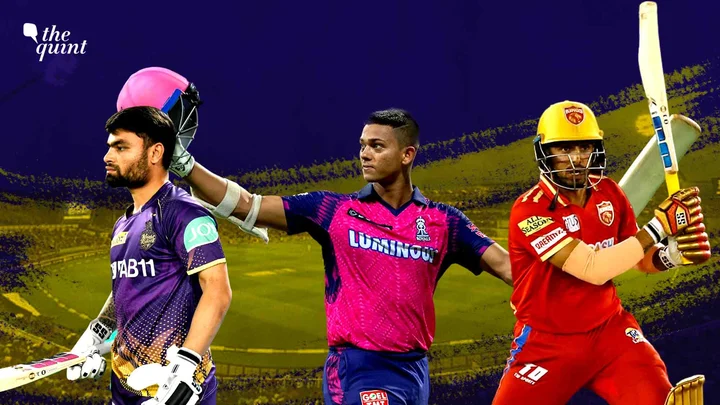
Indian cricket is undergoing a vibrant transformation as a fresh cohort of young players pushes into the spotlight. These athletes combine raw talent, modern training, and a hunger to redefine the game, offering selectors and fans a glimpse of the national team’s future. From explosive batters who can alter a match in an over to seamers and spinners who tease international batsmen with smarter plans, the next wave is already making waves domestically and on global franchise stages.
Rising Stars to Watch
A number of promising names have emerged recently, showcasing why India’s talent pipeline remains strong. Young batters are displaying composure and versatility across formats, while bowlers are sharpening skills that translate across surfaces. These players are not only scoring runs and taking wickets but also demonstrating temperament and tactical awareness that make them realistic candidates for long-term international roles.
Technical Skills and Modern Adaptations
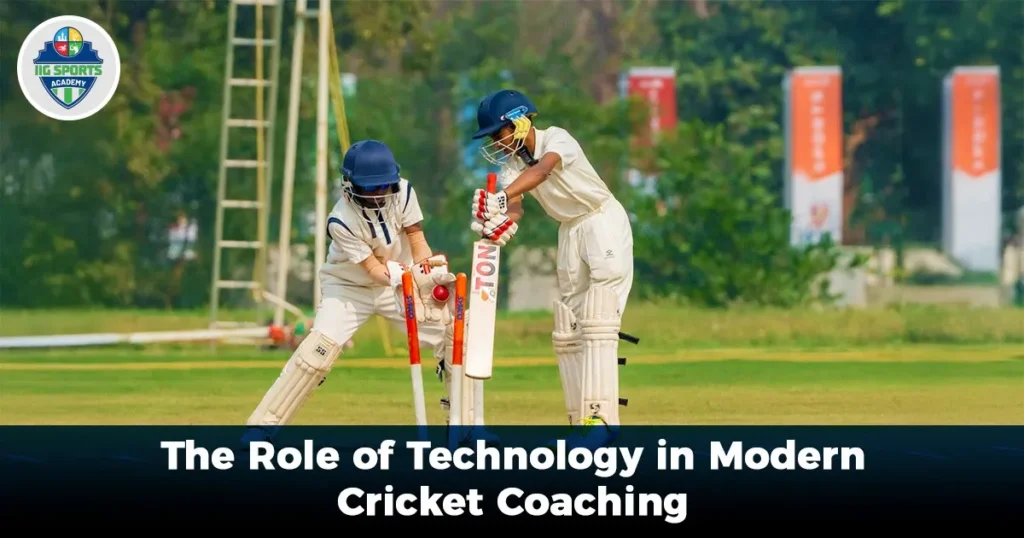
The modern cricketer must be adaptable: able to switch from the patient concentration of first-class cricket to the intensity and improvisation required in limited-overs formats. Emerging Indian players often blend traditional technique with new innovations — playing reverse-sweeps, utilizing the scoop shot judiciously, and executing disciplined death bowling plans. Coaches are emphasizing footwork, hand-eye coordination, and data-informed preparation, allowing youngsters to refine weaknesses quickly and maximize natural strengths.
Role of Domestic Structure and the IPL
India’s domestic structure and the Indian Premier League have proven invaluable in accelerating talent development. Strong performances in Ranji Trophy and Vijay Hazare Trophy test players’ abilities to perform consistently, while the IPL exposes them to high-pressure environments and international teammates who mentor and challenge them daily. This combination builds tactical maturity and mental resilience, helping many transition smoothly to international demands.
Pathways, Mentorship and Selection Criteria
Selectors are increasingly valuing a balance of statistical performance and observable temperament. Young players who can exhibit leadership under pressure, adapt to multiple roles, and maintain fitness standards rise faster. Mentorship from former internationals, specialized coaching in power-hitting or variations for bowlers, and access to sports science have also accelerated readiness for top-tier competition.
As these emerging talents continue to evolve, the cricketing ecosystem must sustain opportunities for game time, responsible workload management, and exposure to varied conditions. The blend of youth and experience will likely refresh India’s playing XI in years to come, bringing dynamic match-winners and steady contributors alike. In watching this new generation grow, fans can anticipate a thrilling period in Indian cricket where innovation meets tradition, and where promising youngsters become dependable stars that shape the future of the sport.