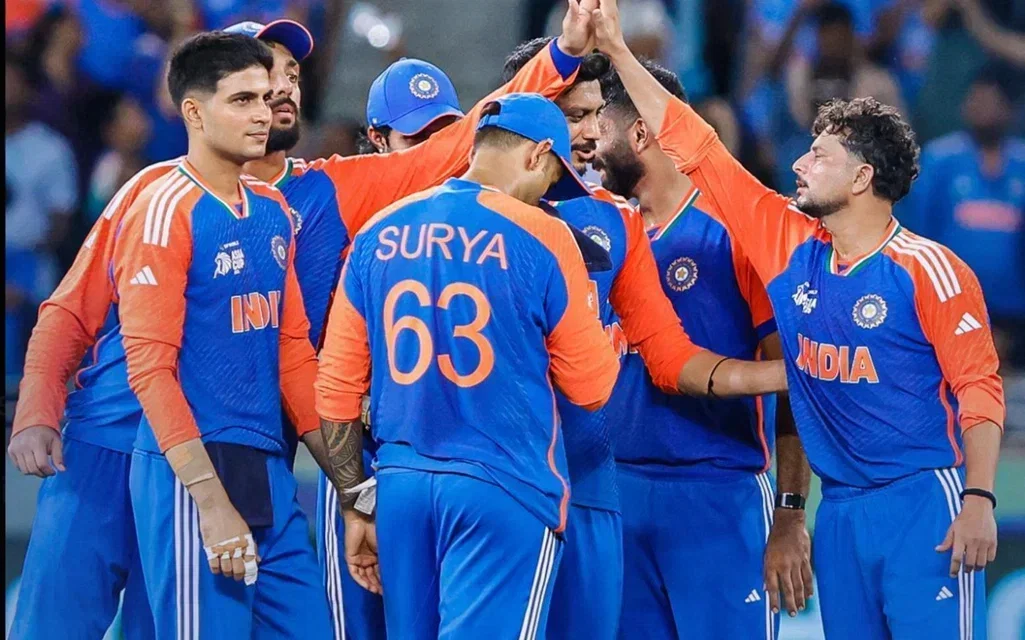
In recent editions of the T20 World Cup, India’s rise has been less about single-player heroics and more a testament to cohesive team dynamics. Behind every boundary and crucial wicket lies coordination, preparation and a culture that prioritizes collective responsibility. This article examines the elements of teamwork that have fueled India’s success on the shortest international stage.
Collective Strength on the Pitch
Teams win in T20 cricket when individual brilliance is aligned with shared objectives. India’s batting depth provides multiple match-winning combinations rather than reliance on one superstar. Partnerships are built with clear roles—one batter anchors while the other accelerates—allowing the side to adapt to game situations. That flexibility comes from practice routines that emphasize rotating the strike, running hard between wickets and understanding field placements.
Seamless Transitions Between Units
Bowling, fielding and batting are interdependent. India’s bowling unit operates with a unified plan: set up batters, execute variations and support each other through tactical changes. Seamless transitions—where a bowler follows a fielding plan created in consultation with the captain and analytics team—reduce wickets lost to confusion and create sustained pressure. Fielders, coached to anticipate and communicate, convert half-chances into match-defining moments.
Leadership That Amplifies Teamwork
Leadership in this context extends beyond the captain to the senior players and coaching staff. Effective leaders create an environment where young players feel empowered to express themselves while abiding by team strategy. Clear communication, quick on-field adjustments and calmness under pressure help the team maintain coherence in high-stakes encounters. The captain’s ability to delegate and trust others strengthens the unit and encourages shared ownership of results.
Preparation, Analytics and Role Clarity
Advanced analytics have become a backbone of modern team planning. India’s support staff use data to define roles for each player—when to attack, when to consolidate. Video analysis, opposition scouting reports and scenario-based practice sessions ensure players understand their exact responsibilities in varied match contexts. Role clarity reduces overlap and confusion, enabling players to perform confidently knowing how they fit into the larger plan.
Depth, Rotation and Squad Harmony
In tournaments, maintaining form and fitness across matches matters. India’s rotation strategy and bench strength ensure minimal drop-off when substitutions are necessary. This depth is a product of consistent domestic structures and talent pipelines that groom players to fit specific roles. Team harmony, reinforced through shared rituals and open lines of communication, fosters resilience when the team faces adversity.
Fielding as a Unifying Force
Fielding often separates good teams from great ones in T20 cricket. Collective drills that emphasize agility, anticipation and mutual support elevate the team’s performance. India’s focus on high-intensity fielding sessions has yielded spectacular run-outs, boundary saves and catch conversions that shift the momentum of tight matches.
The story of India’s success in the T20 World Cup is, at its core, a story of togetherness. Tactical clarity, shared leadership, rigorous preparation and the willingness of individuals to play their designated parts have created a resilient squad capable of overcoming pressure. When teamwork becomes the default operating mode, the sum truly becomes greater than its parts, and every match becomes a stage for collective excellence.