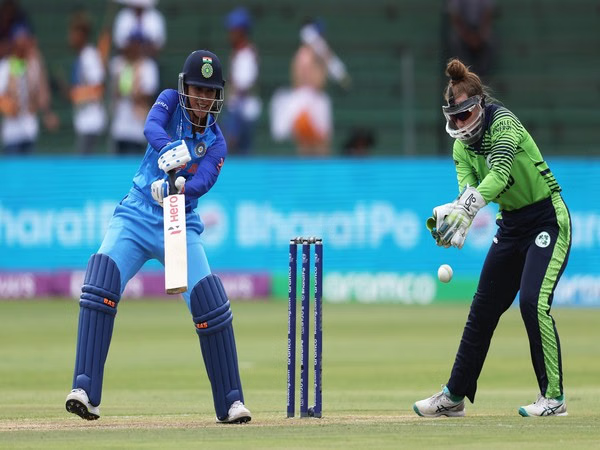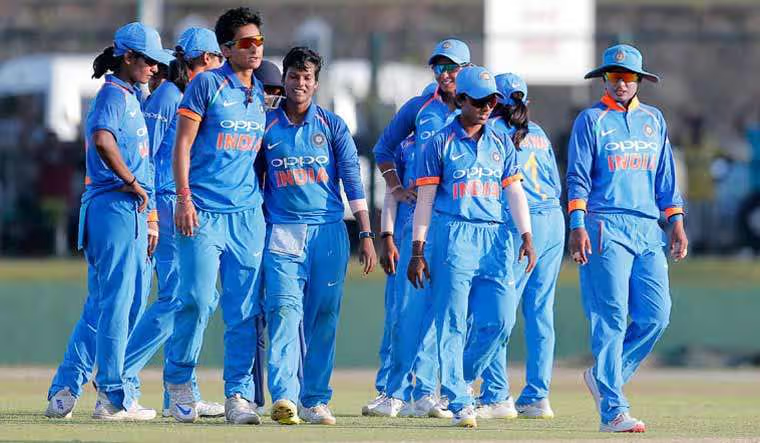
Indian women cricketers have rewritten expectations over the past two decades, turning persistence and talent into a global showcase. From local grounds to packed international stadiums, their journey reflects a blend of skill, resilience, and social attitudes. While recognition has lagged behind performance, victories, record-breaking innings, and growing fan support have shifted the narrative.
Landmark Achievements and Records
Indian players have set milestones across formats. Women contributors have scored centuries, taken hat-tricks, and captained teams to historic wins. Icons have emerged whose performances inspire young athletes in towns and cities. The national side’s competitive tours, domestic league standouts, and individual awards have underscored a sustained rise.
Struggle for Recognition
Despite the triumphs, women cricketers in India have historically faced structural barriers. Limited access to resources, inequitable pay, and less media coverage created gaps between achievement and visibility. Administrators, sponsors, and broadcasters have been called to action as players and supporters demanded equal treatment and professional pathways.
Institutional Change
Reforms gradually followed: better contracts, investment in grassroots programs, and the launch of high-profile domestic tournaments that offered visibility and financial incentives. Coaching academies began emphasizing girls’ talent. Mentoring programs paired veterans with newcomers to bridge gaps in experience and expectations, while media attention amplified stories of determination.
Role Models
Role models have been essential. Captains and star performers have used platforms to advocate for young players and community initiatives. Their presence in public conversations about gender equality changed perceptions, encouraging families to support girls pursuing sport professionally. Local heroes now headline schools and neighbourhood tournaments, creating tangible pathways to elite competition.
Challenges remain, including pay parity debates and the need for sustained investment beyond landmark events. Yet momentum is palpable: attendance at women’s matches is rising, sponsorship portfolios are diversifying, and digital platforms let players tell their own stories. Importantly, the success of Indian women cricketers is reframing national pride across gender lines.
Community programs aimed at rural areas have discovered hidden talent pools, and partnerships between schools and state associations help identify prospects early. Investment in sports science and psychology has made players more competitive internationally. Fans celebrate not only match victories but the significance of representation itself, as each achievement signals progress.
Sustained success requires structural commitment: more grassroots funding, transparent selection pathways, and mentorship networks that value long-term development. Media outlets and brands can amplify diverse stories, while schools and local clubs must prioritize girls’ access to facilities. When policy, sponsorship, and community enthusiasm align, the pipeline strengthens and talent can flourish irrespective of background, ensuring that achievements are matched by opportunity and stability.
As Indian women continue to claim space on the pitch, their story is about more than sport; it is about changing expectations, opening doors, and inspiring a generation to believe that talent will be met with opportunity. Every century, wicket, and leadership moment contributes to a broader movement toward equality, and that steady accumulation of achievements promises a future where recognition is commensurate with excellence. The movement is unstoppable and it resonates globally.