Coaching in Indian cricket has evolved into a sophisticated craft that blends technical instruction, tactical planning and psychological mentorship to shape players at every level.
Foundations of Skill Development
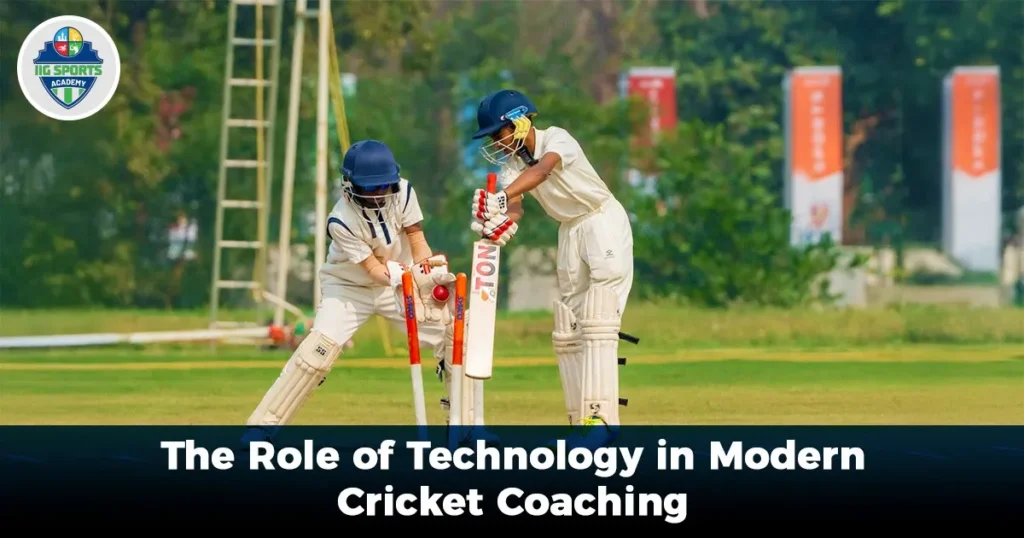
Fundamental skills are non-negotiable; coaches in India focus relentlessly on footwork, bat-ball contact and seam position because small adjustments yield significant improvements.
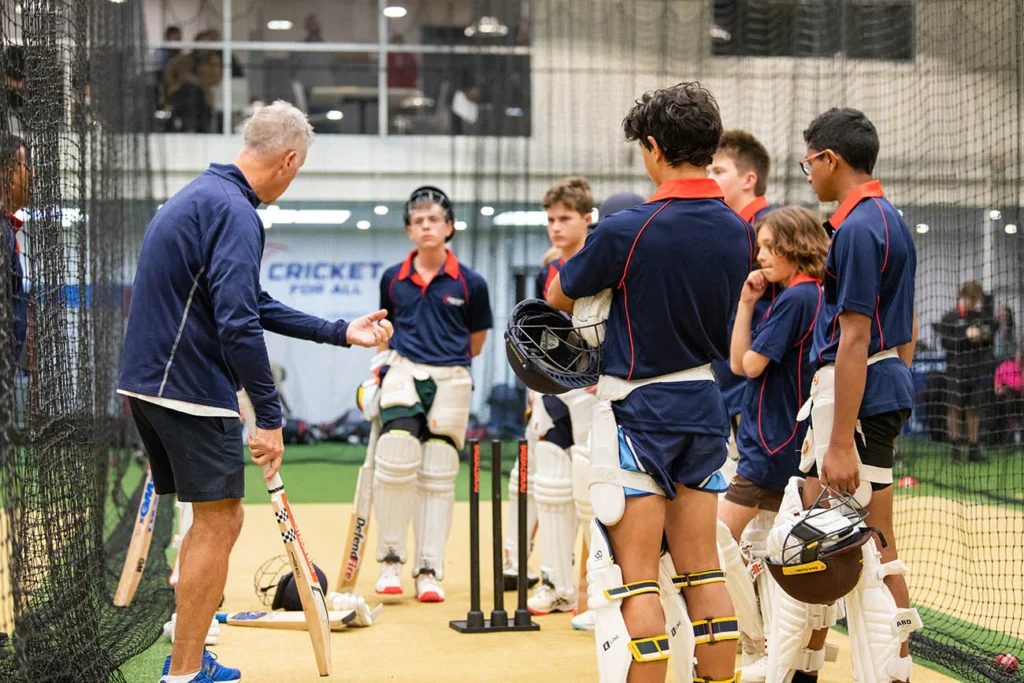
Youth coaches prioritize repetition and progressive overload to build muscle memory, but advanced mentors also introduce variability to prepare players for unfamiliar pitches and bowling styles.
State and national coaches collaborate to ensure that promising talents receive exposure to different conditions, enhancing adaptability and reducing the gap between domestic and international demands.
Mental Resilience and Culture
Mental toughness is as critical as physical skill; coaches cultivate resilience through scenario-based practices, simulated pressure sessions and reflective feedback.
In India, where cricket holds national significance, coaches must manage public expectations, media scrutiny and the weight of historic rivalries, helping players channel external pressures constructively.
Tactical Innovation and Match Awareness
Modern coaches teach match awareness by developing situational plans, reading game phases and making real-time adjustments; analytics inform these choices but intuition and experience remain vital.
Indian coaching setups are increasingly encouraging rotation of roles — training batsmen to be better fielders, bowlers to be competent lower-order hitters — producing versatile athletes who fit different formats.
Mentorship and Long-Term Growth
Beyond technique, coaches mentor players on career planning, injury prevention and life skills; this holistic approach helps sustain long careers and eases transitions after retirement.
Successful Indian coaches build trust through consistent communication, cultural sensitivity and by setting achievable goals that progressively raise standards without burning out young talent.
The coach-player relationship often extends into mentorship networks connecting local clubs, national selectors and performance analysts, creating ecosystems that identify and nurture talent holistically.
Investment in coach education and cross-cultural exchanges has amplified knowledge transfer, allowing Indian cricket to incorporate successful practices from around the world while preserving its unique strengths.
Ultimately, the most effective coaches are adaptable, empathic and relentless students of the game, guiding players to realize potential through structured training and human connection.
As Indian cricket navigates new formats and global competition, coaches who balance tradition with innovation will shape a generation capable of adapting to diverse conditions and pressures.
Their influence extends beyond statistics into character formation, teaching young players professionalism, resilience and the ethics of competition, so that every delivered lesson contributes to stronger teams and a richer cricketing culture across India. Coaches remain the quiet architects of change.