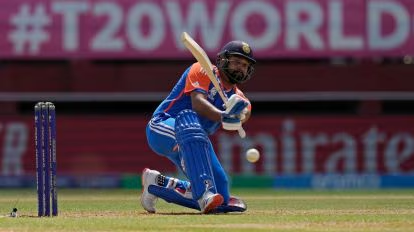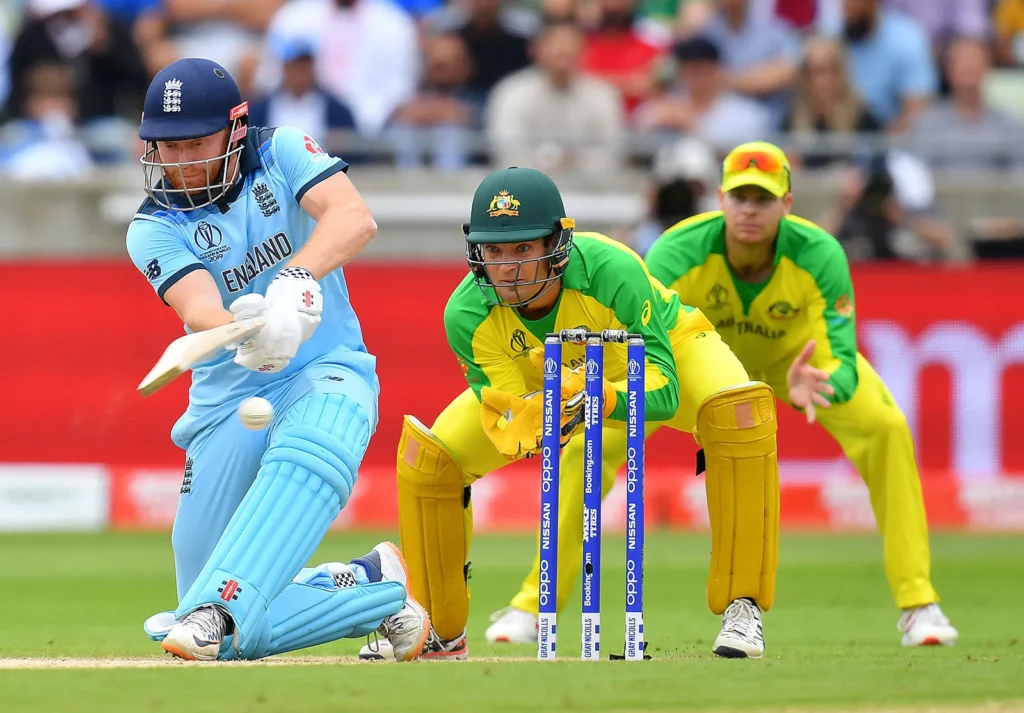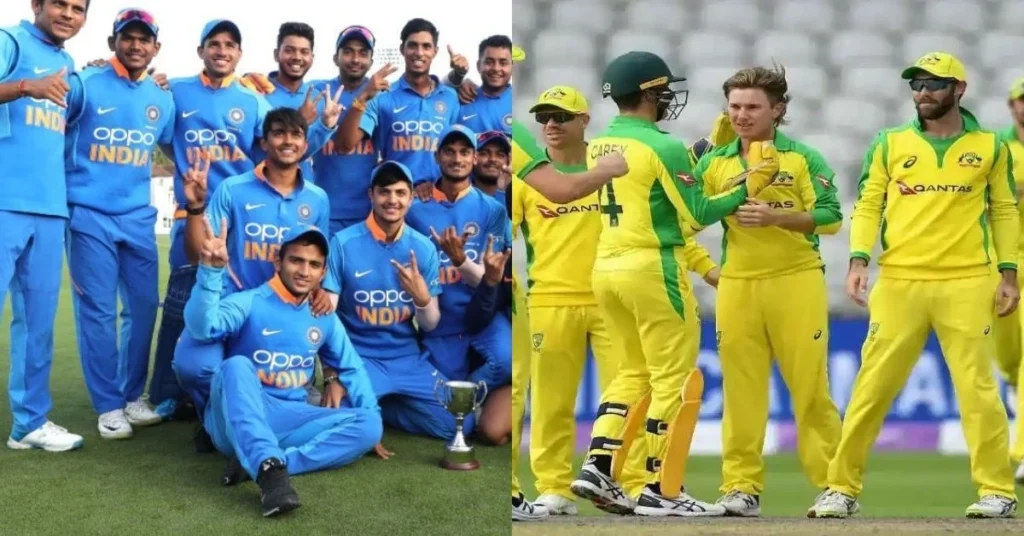
India’s cricket future is currently shaped by a lively debate over the balance between seasoned veterans and emerging young talent. This conversation touches selection policy, team culture, long-term planning, and fan expectations. Both camps offer strengths: experience brings calm and tactical nous, while youth contributes energy, innovation, and a hunger that can redefine standards. Striking the right balance is essential for sustained success across formats.
Why experience matters
Veterans anchor teams during high-pressure moments. They have a reservoir of match awareness built from tours, domestic seasons, and international fixtures. Captains and senior players usually manage dressing room dynamics, mentor newcomers, and make split-second tactical decisions. Their presence can steady a fragile chase or inspire bowlers to execute plans under duress. Experience also offers perspective on workload management and career longevity, essential in an era of jam-packed calendars.
The case for youth
Young players inject unpredictability and fresh techniques that often unsettle established opponents. Fast bowlers emerging from Indian academies bring raw pace and athleticism, while innovative batsmen adapt quickly to powerplay and T20 demands. Youth squads are also investment in the future; grooming talent through A tours and franchise leagues gives selectors a broader pool to rotate between formats. Importantly, young players frequently carry fewer physical burdens and can thrive across the dense international schedule.
Selection strategies
Selectors face trade-offs: immediate results versus long-term planning. Some argue for a core of experienced leaders complemented by a rotating bench of youngsters. Others advocate for bold youth-oriented projects that prioritize bench strength and succession planning. Data analytics and performance tracking help, but subjective judgment about temperament and adaptability remains crucial. Transparent communication from the board and coaching staff reduces speculation and supports a coherent pathway for rising stars.
Managing transitions
Smooth transitions require planned rest for veterans, mentorship programs, and staged opportunities for newcomers rather than abrupt overhauls. Rotating formats intelligently allows players to develop specific skill sets: some may specialize in Tests while others focus on limited overs. India’s domestic structure, including Ranji Trophy and IPL exposure, must continue supplying competitive environments that mirror international pressures. Coaching continuity and fitness regimes tailored to individual needs further support longevity.
While high-profile selections often dominate headlines, selectors must weigh metrics such as strike rates, economy, consistency across conditions, and mental resilience. The ideal approach pairs a core of experienced leaders with an agile injection of youth tailored to format requirements. Transparent talent pathways, targeted workload management, and strategic rest for seniors will smooth generational change. For fans, the debate fuels exciting narratives, but the team’s long-term health depends on policies that balance short-term ambition with succession planning. India’s vast talent pipeline ensures a bright future if administrators and coaches prioritize development alongside performance, allowing both youth and experience to shape a dynamic, adaptable national side capable of winning in varied conditions worldwide. Ultimately, successful teams blend mentorship with opportunities, letting young players learn through responsibility while veterans evolve roles to maximize collective strength. That synthesis will define India’s competitive edge in years ahead.