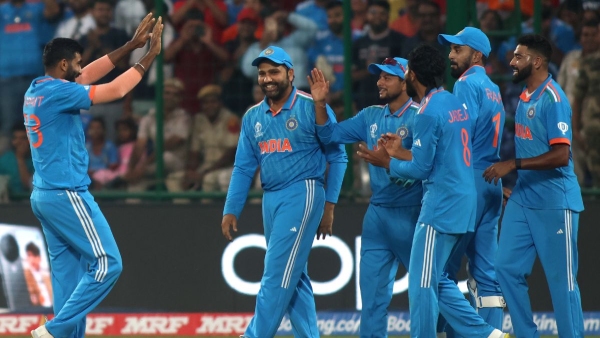
India arrived at the World Cup with a bowling unit blending raw pace, crafty spin and tactical flexibility. Their approach combined aggressive new-ball tactics, tight middle-over control and astute death-over execution, built around a handful of specialists who delivered consistently on big stages.
Building the Pace Battery
The fast bowling group emphasized aggression and control. Frontline pacers used disciplined lines and lengths to exploit early movement, while also mixing cutters and slower deliveries on flat pitches. Seam movement at the start of an innings set early psychological pressure on opponents, allowing captains to rotate bowlers and manage workloads through the tournament.
Role of the Spearheads
Spearhead bowlers focused on defined roles: taking early wickets, maintaining pressure through tight overs, and executing specific death-over plans. Their success hinged on clear communication with the captain and support staff, who supplied data-driven plans for individual match-ups and specific batting weaknesses.
Spin as a Strategic Weapon
India’s spinners played complementary roles, with wrist spinners attacking and finger spinners choking runs. This duality allowed captains to alter the pace of the innings and force batsmen into risky strokes. Variation in flight, pace and trajectory proved decisive in the middle overs, especially on pitches that offered turn or inconsistent bounce.
Field Settings and Match-ups
Field placements were tailored to bowlers’ strengths and opponents’ weaknesses. Proactive captains deployed catching rings for attacking bowling spells and placid outfields for spinners who relied on defensive fields to build dot-ball pressure. Match-up planning, supported by analytics, helped engineers of the bowling plans create wicket-taking opportunities.
Standout Performers
Cohesion among bowlers elevated individual performances. Strike bowlers produced timely breakthroughs while versatile support bowlers tied up ends and created pressure. Bowling units that complemented each other’s attributes — pace, swing, seam, and spin — consistently dominated phases of matches and changed momentum when necessary.
Adaptability to Conditions
Adapting to different pitches and climates was vital. Fast bowlers adjusted lengths to extract bounce or skid the ball low, while spinners varied tempo to exploit grip or lack thereof. Rotation policies helped preserve peak performance, ensuring freshness late in games and reducing the risk of fatigue-related dips.
Analytics and Execution
Data-driven insights refined plans, from precise field placements to targeted bowling sequences. Video analysis and opposition scouting revealed tendencies that informed bowling strategies, enabling bowlers to execute high-probability plans under pressure.
Management of bowlers and bench strength also mattered: backup seamers were ready to exploit conditions, and all-rounders provided crucial overs and balance. In-game adaptations—switching from attacking to squeezing modes, or altering bowling plans after rain interruptions—often swung tight contests. Leadership that trusted analytics yet empowered bowlers to improvise created a resilient unit capable of sustained pressure across matches in crucial moments.
Ultimately, India’s World Cup bowling campaign combined structure with freedom: structure provided clarity of role and match-up planning, while freedom allowed individual creativity to flourish. The balance between pace and spin, backed by preparation and smart rotation, became the defining characteristic of a unit capable of influencing every phase of a game.