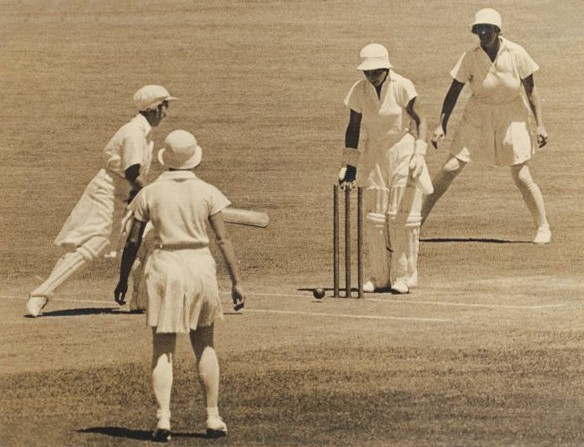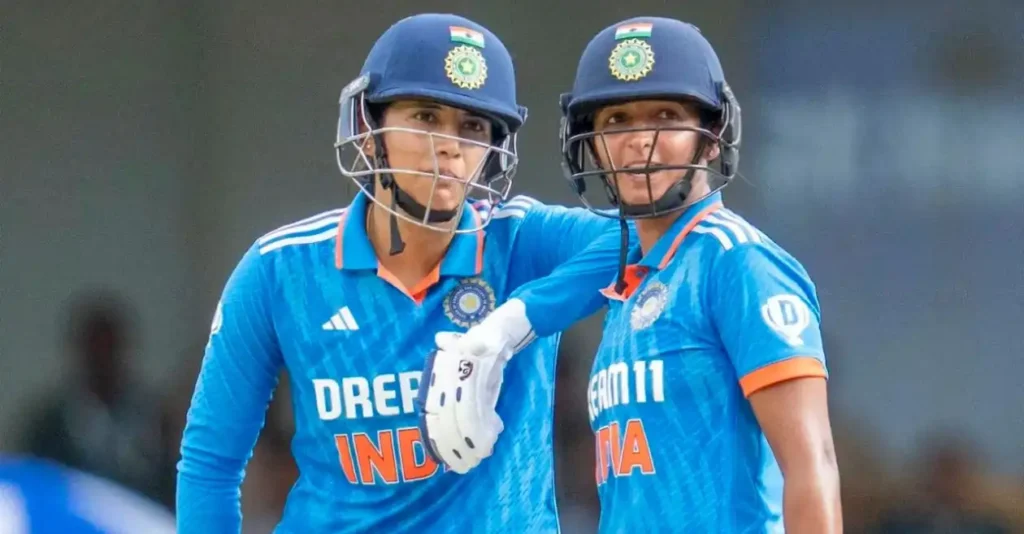
Women’s cricket in India has experienced a remarkable surge in attention and enthusiasm over the past few years, driven by exceptional performances, strategic media coverage, and increasing investment. Fans who once paid little attention to the women’s game are now filling digital platforms, social feeds, and stadium seats to celebrate talented athletes who represent the country with pride. This cultural shift reflects broader changes in society, sports governance, and commercial interest, creating momentum that looks set to continue growing.
Rising viewership across platforms
Television ratings and online streaming figures for women’s matches have climbed consistently, with marquee tournaments drawing audiences that rival domestic men’s fixtures. High-profile victories and compelling narratives around players have created engaging storylines that broadcasters and platforms promote heavily. Social media amplifies these moments, turning exceptional performances into viral highlights and building new fan communities. Accessible streaming options and affordable ticketing policies encourage diverse demographics to tune in, including younger viewers and urban families eager to support role models.
Support from sponsors and institutions
Sponsorship interest has shifted from tentative endorsements to substantial partnerships, as brands recognize the value of associating with empowerment, skill, and aspirational athletes. Cricket boards and private teams invest more in coaching, facilities, and player welfare, recognizing that competitive success fuels commercial returns. Domestic leagues have provided a structured pathway for talent and visibility, allowing players to develop under pressure and attract attention from scouts and selectors. Government initiatives and corporate social responsibility programs also contribute by funding grassroots tournaments and encouraging school level participation.
Impact on grassroots development
Increased visibility inspires young girls across the country to pick up the bat and ball, while academies and local clubs report rising enrollment. Role models emerge from both urban centers and smaller towns, demonstrating that cricket can be a viable career and avenue for social mobility. Coaching clinics, school competitions, and community outreach programs bridge gaps in access and awareness, enabling more girls to access organized training. This expansion of the talent base strengthens long term prospects for national teams and domestic competitions alike.
Challenges ahead and opportunities
Despite progress, challenges remain including uneven infrastructure, pay gaps, and limited media slots during peak broadcasting schedules. Addressing these requires coordinated efforts from governing bodies, broadcasters, sponsors, and fans. Prioritizing fair compensation, investing in regional facilities, and ensuring consistent coverage will consolidate gains. Innovations like mixed tournaments, exhibition matches, and expanded domestic seasons can sustain interest and create new commercial models that reward performance and fandom.
The growing popularity of women’s cricket in India is more than a trend; it signals a transformation in sporting culture where talent, support, and visibility align. Continued collaboration between stakeholders and a commitment to inclusivity will determine how deeply the game embeds itself in national consciousness, but current signs point to a brighter, more equitable future for the sport. Fans, young and old, are embracing the players’ journeys, buying merchandise, attending matches, and engaging in conversations that elevate the women’s game to a central role in India’s sporting identity today.